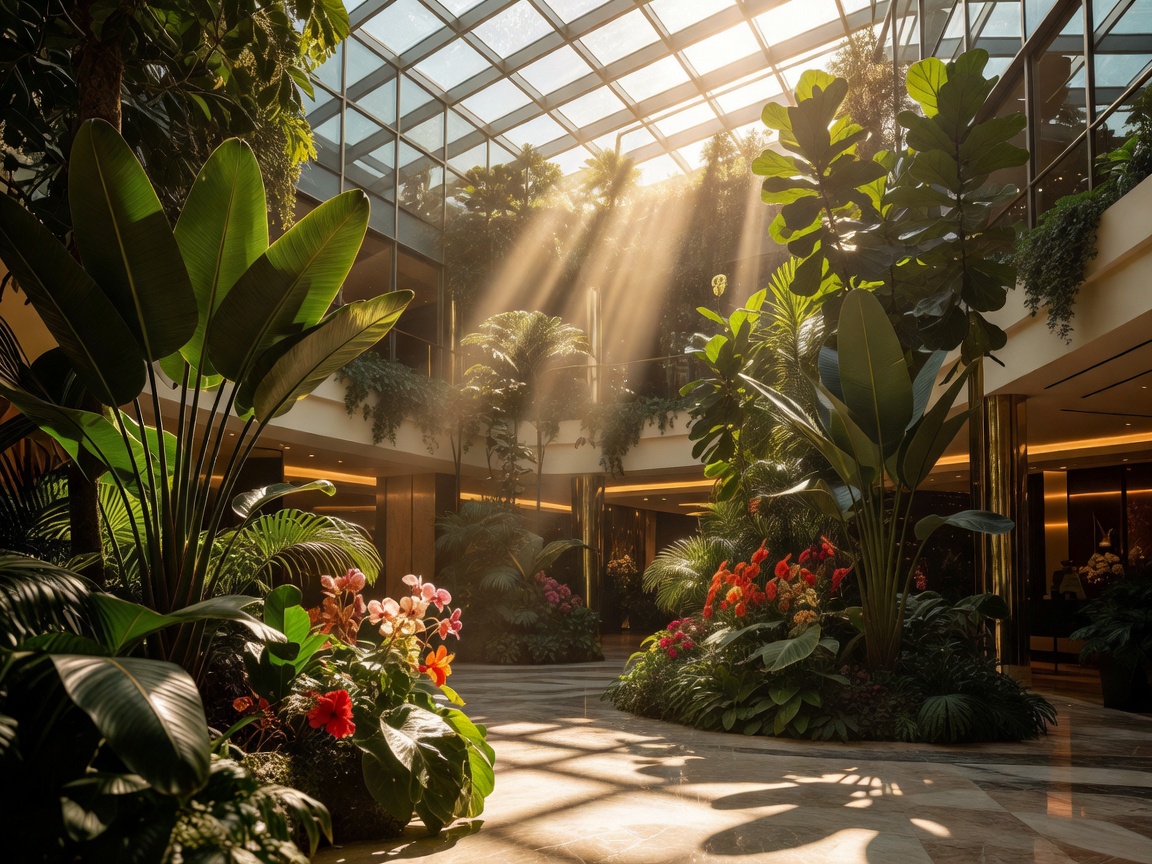
The Rise of Biophilic Hospitality
As urban density increases, the psychological need for nature has fundamentally altered architectural trends. Enter the "Urban Botanist Haven"—a category of hyper-local boutique hotels where living plants are not mere decoration, but central structural and functional elements of the guest experience. These properties implement biophilic design principles to reconnect guests with natural environments, even in the heart of metropolitan districts.
The core concept revolves around mimicking outdoor natural conditions indoors. This involves complex integrations of natural light pathways, living walls, indoor water features, and highly specialized climate control systems designed as much for the flora as for human comfort.
Anatomy of a Botanical Hotel
Creating a successful botanical haven requires massive structural planning. Traditional hotels often seal guests away from the environment; botanical hotels actively invite natural elements inside through specific design choices:
- Living Architecture: Multi-story green walls and integrated planters that filter airborne toxins and regulate indoor humidity naturally.
- Circadian Lighting: Expansive skylights and dynamic artificial lighting that matches the natural progression of the sun, promoting both plant photosynthesis and human sleep regulation.
- Acoustic Dampening: Utilizing dense foliage and moss installations to naturally absorb high-frequency urban noise, creating a quiet sanctuary without relying solely on heavy synthetic materials.
Weighing the Experience: Pros and Cons
Staying in a biophilic environment offers distinct physical and psychological advantages, but the heavy integration of nature brings its own logistical realities.
The Benefits
The most immediate benefit is stress reduction. Numerous architectural studies have correlated the presence of natural elements with lowered cortisol levels and improved mental clarity. The air quality in these properties is genuinely superior, thanks to the active oxygen production and filtration performed by hundreds of broad-leaf plants. Visually, these spaces are stunning, offering a serene, multi-sensory contrast to the concrete, glass, and steel of the surrounding city.
The Drawbacks
Maintaining a high-density indoor ecosystem is incredibly resource-intensive. Properties must carefully balance humidity levels; if mismanaged, the moisture required for tropical plants can lead to a heavy, damp atmosphere in guest corridors. Additionally, the presence of soil and living flora inherently invites a degree of unpredictability regarding insects. While premium hotels manage this through strict natural pest control, those with severe entomophobia might find the environment unnerving. Finally, the massive ongoing maintenance costs of these ecosystems are almost always reflected in the premium room rates.
Is it Right for Your Stay?
The Urban Botanist Haven is ideal for wellness-focused travelers, creatives seeking a restorative environment, and anyone who feels physically drained by prolonged exposure to urban concrete. It serves as a literal breath of fresh air. However, those who require clinical sterility, have severe mold or pollen allergies, or prefer traditional corporate hotel formats may wish to look elsewhere.
When booking, it is always worth inquiring about the property's sustainability practices regarding water usage. The most advanced botanical hotels utilize greywater recycling systems to maintain their greenery, ensuring their urban oasis doesn't become an environmental burden on the local municipal supply.