The Philosophy of Craft-Led Hospitality
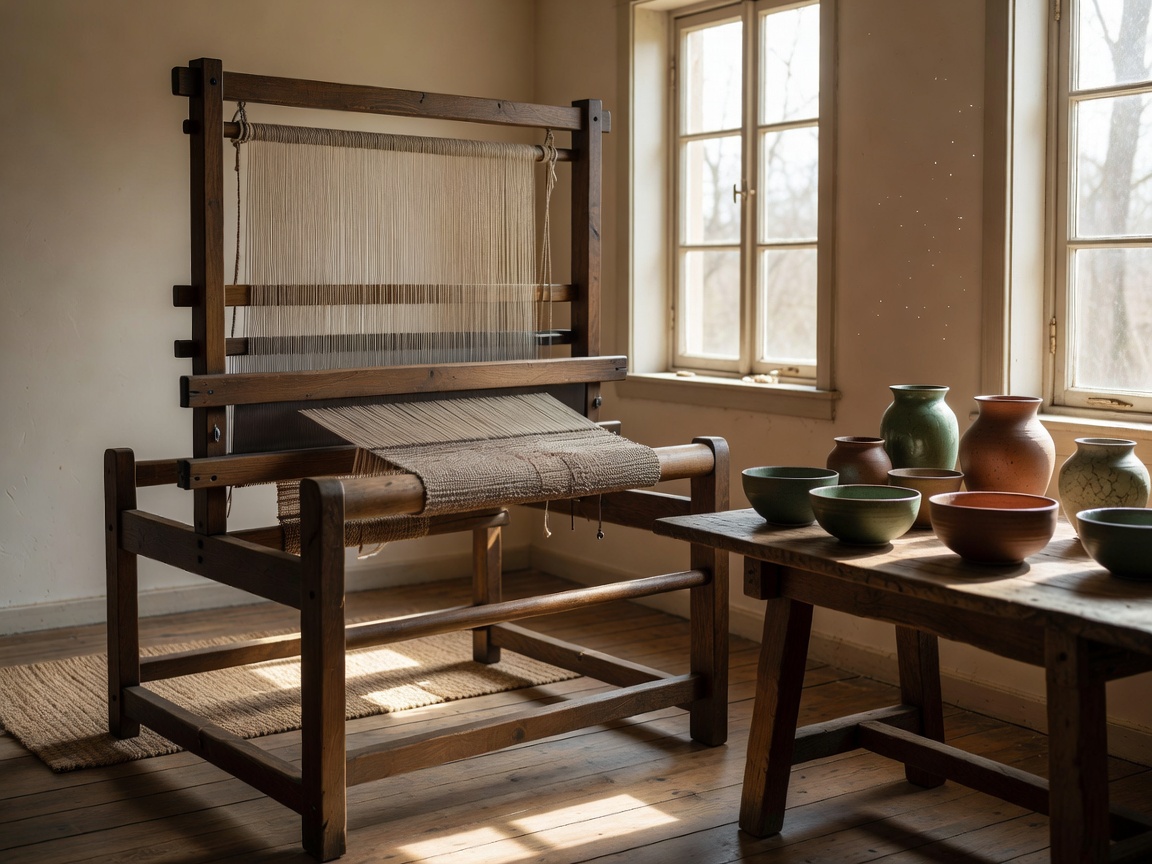
In recent years, the boutique hotel sector has seen a distinct shift away from mass-produced luxury toward a model that celebrates regional craftsmanship. The "Artisan Retreat" concept represents properties that function not merely as places to sleep, but as active galleries and patrons of their local creative economies. These hotels replace standardized catalogs with commissioned pieces from neighborhood ceramicists, textile weavers, and woodworkers.
This movement is largely driven by a demographic of travelers seeking authenticity and cultural immersion. By sleeping in a bed frame carved by a local carpenter and drinking morning coffee from a hand-thrown mug fired in a kiln down the street, guests experience a tactile connection to the destination that traditional hospitality cannot replicate.
Defining Characteristics
What separates a true Artisan Retreat from a standard hotel with a few decorative local pieces? The distinction lies in functional integration. In these properties, the craftsmanship is meant to be used, not just observed.
- Bespoke Tableware: Restaurants and room service exclusively use pottery and glassware sourced from regional artisans, often displaying minor, charming imperfections that highlight their handmade nature.
- Textile Heritage: Blankets, rugs, and upholstery heavily feature traditional weaving techniques specific to the region's history.
- Interactive Workshops: The hotel acts as a bridge, offering guests structured time in the studios of the makers who designed the hotel's interior.
Pros and Cons of the Artisan Model
While aesthetically rich, this operational model presents unique challenges and benefits for both operators and guests.
Advantages
The primary benefit is deep cultural immersion. Guests leave with a profound understanding of the area's creative heartbeat. Furthermore, the environmental footprint is significantly reduced when heavy items like furniture are sourced locally rather than shipped globally. The economic multiplier effect ensures that tourism dollars directly support the local middle class and preserve heritage skills.
Considerations
For guests accustomed to predictable corporate luxury, the Artisan Retreat can present friction. Because items are handmade, room layouts and amenities often lack uniformity. A favorite chair in Room 12 might not exist in Room 14. Additionally, handmade goods require specialized maintenance. Operators often face higher replacement costs for fragile, bespoke items, which is typically reflected in a higher nightly room rate. The absence of standardized materials can also mean varying degrees of soundproofing and temperature insulation depending on the traditional building techniques utilized.
Who is this for?
The Artisan Retreat appeals heavily to design enthusiasts, cultural tourists, and conscious consumers who prioritize economic equity in their travel spending. It is less suited for business travelers who require standardized ergonomics, rapid predictable service, and uniformity in their accommodations.
When selecting a stay in this category, look for properties that transparently name their craft partners. Genuine artisan-led hotels celebrate their makers openly, often providing neighborhood maps that guide guests directly to the workshops where the room's furnishings were born.