The Art of Adaptive Reuse
Coastal cities worldwide are dotted with obsolete maritime infrastructure—old warehouses, rope factories, customs houses, and harbormaster offices. Rather than demolishing these robust structures, a growing segment of hyper-local hospitality focuses on "adaptive reuse." The Heritage Harbour Inn concept transforms these heavy, industrial spaces into luxury boutique accommodations, maintaining the soul of the seaport while introducing modern comforts.
These properties serve as living museums. They do not manufacture local flavor; they inherit it. By preserving the original masonry, timber framing, and ironwork, these hotels offer guests a tangible link to the neighborhood's maritime past.
Architectural Signatures
You can identify a true historic maritime renovation through several unmistakable structural cues that developers fight hard to preserve against building code challenges:
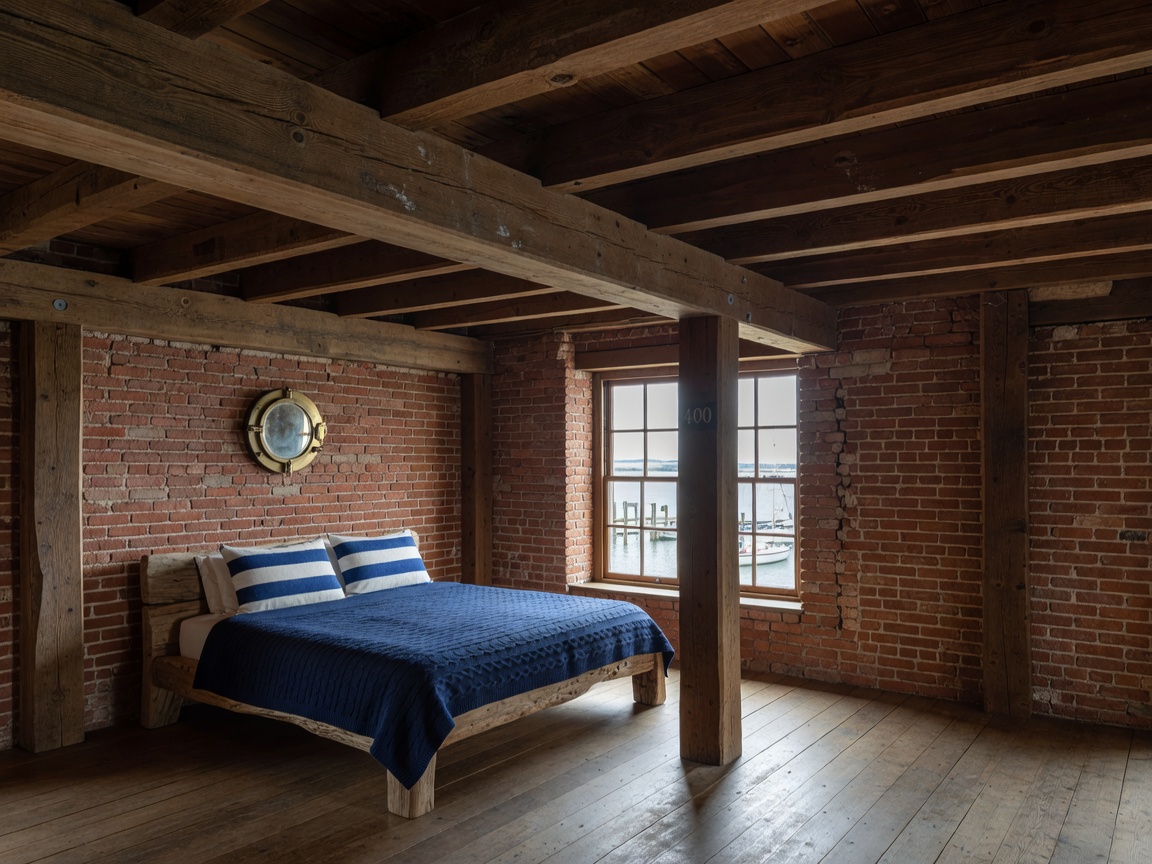
- Exposed Structural Integrity: Massive load-bearing timber beams, distressed brickwork, and original cast-iron pillars are left exposed, often forming the centerpiece of the room's design.
- Industrial Scaling: Because these buildings were designed for freight, they often feature oversized cargo doors (converted into massive windows) and unusually high ceilings.
- Nautical Geometries: Quirky architectural features like arched warehouse entries, pulley shafts converted into lighting fixtures, and uneven, time-worn floorboards.
Pros and Cons of Historic Stays
Retrofitting 19th-century industrial buildings with 21st-century plumbing and internet wiring is a monumental task, and the results heavily influence the guest experience.
The Charm
The primary advantage is undeniable atmosphere. There is a deep, resonant character in sleeping within walls that have stood for centuries. The architectural distinctiveness ensures that no two rooms are exactly alike; one might feature a sloped roofline where the sail-loft used to be, while another boasts massive dual-aspect windows facing the tidal estuary. These hotels often integrate seamlessly into revitalized dockland neighborhoods, placing guests right in the center of cultural and culinary rebirths.
The Compromises
Preservation laws strictly govern what developers can alter, which can lead to layout quirks. Corridors might be narrow, and the integration of modern bathrooms into solid stone shells sometimes results in raised floors or unusual plumbing configurations. Furthermore, historic structures were not built with modern acoustic standards in mind. While operators add soundproofing where legally permissible, heavy timber floors often transmit the sound of footsteps from the room above. Temperature regulation can also be tricky; massive brick walls absorb cold in the winter and radiate heat in the summer, requiring robust HVAC systems that may be audible.
Who Should Book?
The Heritage Harbour Inn appeals to history buffs, architecture enthusiasts, and romantic travelers looking for a stay with a story. If you appreciate the patina of time and are willing to forgive a slightly creaky floorboard in exchange for soaring ceilings and authentic brickwork, this style of hyper-local stay is unmatched.
Conversely, those who prioritize ultra-modern layouts, absolute silence, and standardized room dimensions might find the quirks of historic preservation more frustrating than charming.