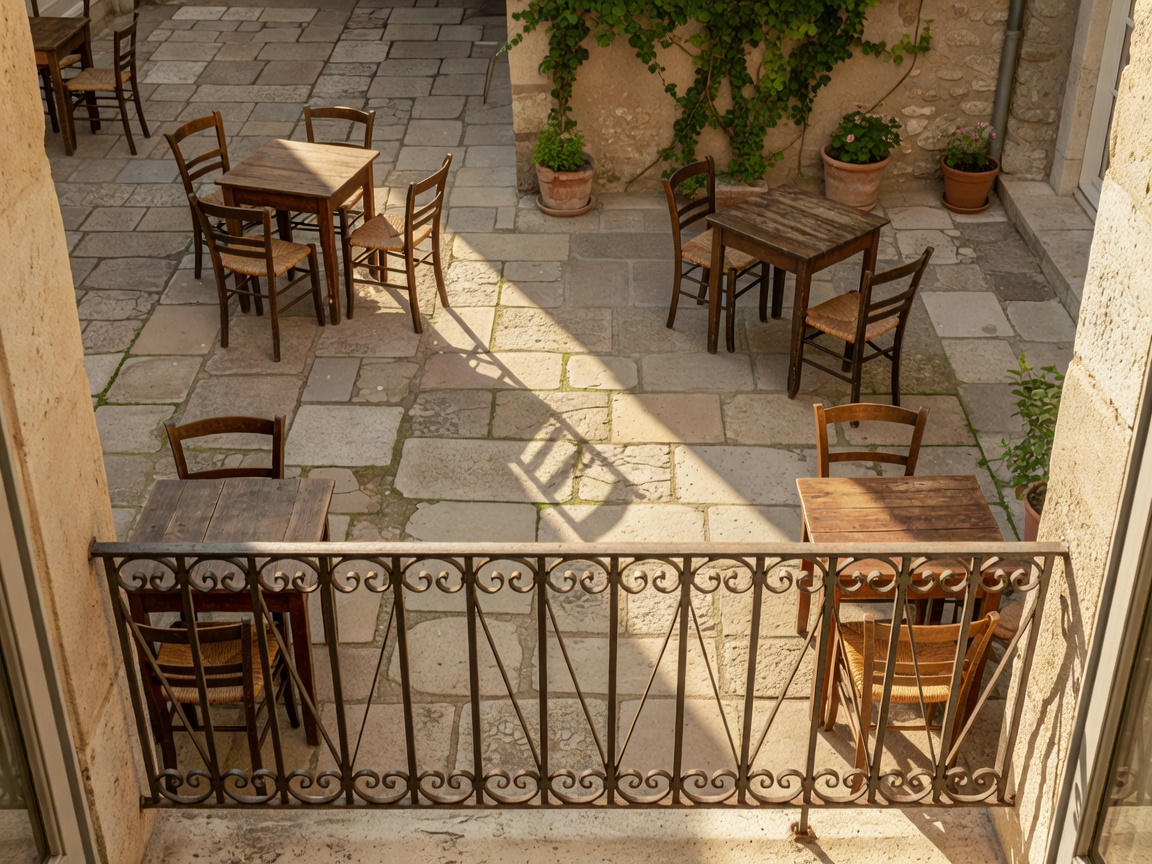
The Plaza as a Lobby
In traditional hospitality, the hotel lobby is a private fortress, accessible only to paying guests. The "Cobblestone Courtyard" model flips this entirely. Rooted deeply in classic European plaza dynamics, these hyper-local boutiques turn their ground floors into porous, community-activated spaces. The hotel's coffee bar is the neighborhood's coffee bar; the outdoor courtyard seating is shared by locals with laptops and tourists with guidebooks.
This design philosophy embraces the concept of the "Third Place"—a social surrounding separate from the two usual social environments of home and the workplace. By integrating accommodation directly above or around these vibrant hubs, guests don't just observe the local culture; they are physically embedded within it the moment they step out of their rooms.
Key Design Elements
Creating a successful transition between public chaos and private rest requires specific architectural boundaries and cultural integrations:
- Porous Facades: Large accordion doors or massive open archways that completely remove the physical barrier between the street/plaza and the hotel's public spaces during business hours.
- Barista Culture: A heavy emphasis on high-quality, locally roasted coffee programs that serve as the anchor for daytime social interaction.
- Stepped Privacy: Gradual transitions from the highly public street level, to guest-only lounges on the mezzanine, and finally to heavily soundproofed private quarters above.
Evaluating the Experience
The plaza-integrated model offers a remarkably energetic stay, but the constant proximity to public life requires careful management by the operator and understanding from the guest.
The Vibrant Pros
The primary draw is the energy. There is unparalleled convenience and joy in walking downstairs directly into a buzzing neighborhood cafe without needing a coat or a map. It provides immediate access to the demographic pulse of the city. Solo travelers often find these properties particularly welcoming, as the communal nature of the ground floor eliminates the isolation sometimes felt in traditional corporate hotel corridors. Furthermore, dining and drinking options in these setups are usually far superior to standard hotel fare, as they must compete directly for local neighborhood business.
The Structural Cons
The main challenge is noise management. A bustling plaza that is charming at 10:00 AM can become intrusive if the cafe turns into a lively wine bar at 11:00 PM. While modern operators invest heavily in double or triple-glazed windows to seal off the sleeping quarters, sensitive sleepers in lower-level rooms may still perceive a low rumble of street life. Additionally, privacy can be a concern. When your balcony directly overlooks a crowded courtyard, lounging with the curtains open requires a certain level of comfort with being seen by the public.
Is this the right fit?
If your ideal morning involves stepping out into a stream of local commuters, smelling fresh pastries, and reading a book amid the ambient hum of city life, the Cobblestone Courtyard model is perfection. It caters to extroverts, remote workers, and cultural sponges.
However, if your vacation goal involves total seclusion, hushed corridors, and a clear, impenetrable barrier between you and the outside world, this highly social setup will likely feel overstimulating.